Browse indoor air quality
Browse indoor air quality
Blog Article
Air Duct Cleaning: Respire Easier Using These Key Tips
Air duct maintenance serves as an important component in maintaining a clean indoor environment. It helps eliminate contaminants, dust, and allergens that can influence air quality. Recognizing when ducts need attention is vital for maximum HVAC performance. Homeowners frequently overlook the equipment and methods required for thorough cleaning. Understanding these aspects can significantly enhance comfort and energy efficiency. What steps should one implement to ensure better air quality and improved system efficiency?

How Air Duct Cleaning Improves Your Health
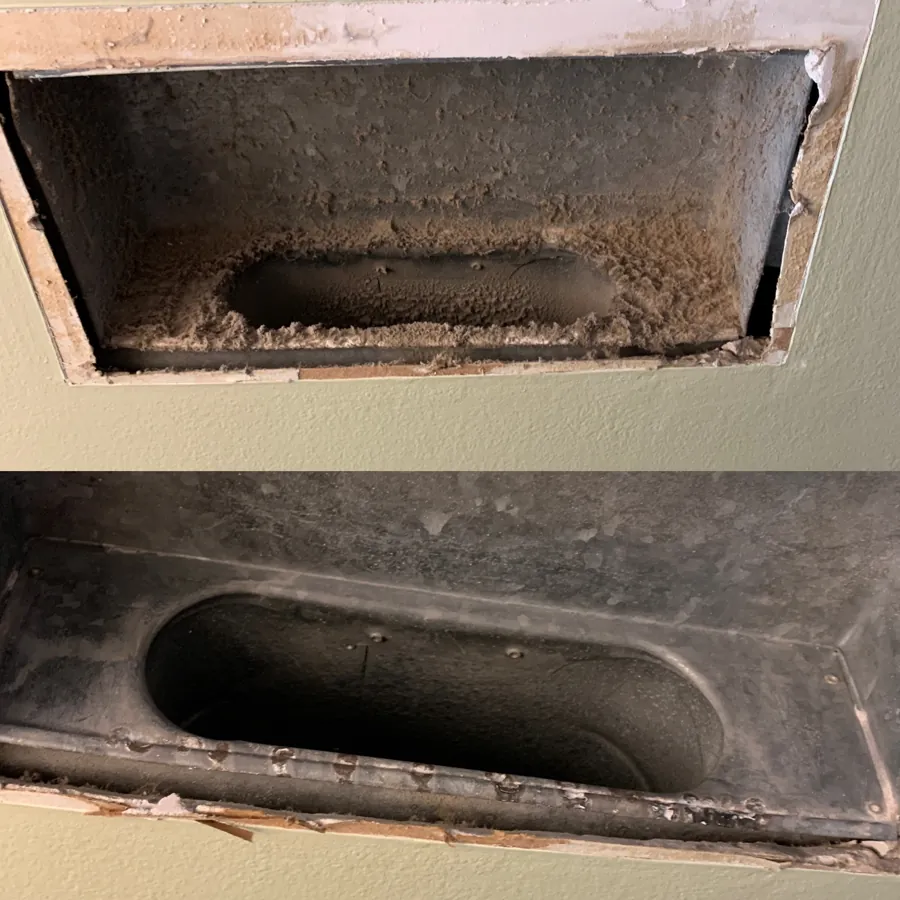
Air duct cleaning boosts air quality indoors, creating better wellness for residents. Over time, allergens, pollutants, and dust collect within the ductwork, moving throughout the air. This accumulation can worsen health problems, respiratory issues, and allergies. By removing these impurities, air duct cleaning reduces the likelihood of airborne illnesses and supports a more salubrious home setting.
Moreover, clean air ducts can improve the performance of HVAC systems, resulting in more stable temperatures and reduced energy usage. This not only promotes overall coziness but also minimizes exposure to harmful substances that can be discharged when systems are poorly maintained.
Periodic maintenance of air ducts guarantees that fresh, clean air flows throughout the home, promoting better sleep, higher energy levels, and overall health. Ultimately, keeping clean air ducts is an important step in protecting the health of all occupants.
Symptoms Your Ducts Need Cleaning?
Air duct upkeep is critical for maintaining a wholesome living environment. Homeowners must be aware of several symptoms that indicate duct cleaning is essential.
A notable sign is noticeable dust or debris surrounding vents or the air filter, indicating buildup dirt within the ducts. Furthermore, if residents experience heightened allergy reactions, such as sneezing or congestion, it may suggest that pollutants are spreading in the air.
Unpleasant smells coming from vents can also indicate mold expansion or stagnant debris. Furthermore, if the HVAC system is operating inefficiently, needing frequent repairs or leading to inconsistent temperatures, dirty ducts might be the source.
Ultimately, a hike in energy expenses may uncover a plugged system unable to circulate air properly. Observing these clues can help secure frequent cleaning and preserve high-quality interior air conditions.
DIY Air Duct Maintenance Instruments You Need
Maintaining pristine air ducts demands the proper equipment to ensure effective DIY cleaning. Necessary equipment for this task include a vacuum cleaner outfitted with a HEPA filter, which captures small particles and allergen particles.
A assortment of brushes, specially crafted for duct cleaning, helps remove dirt and particles from the walls of ducts. Furthermore, a light source is invaluable for inspecting dark areas in the ducts, ensuring thorough cleaning.
Safety equipment, such as gloves and a respirator, is crucial to copyright safety while dealing with dust and potential contaminants. A screwdriver set is also needed for taking off vent covers and access panels.
Finally, damp cloths can be utilized to clean vent areas following cleaning. Together, these tools develop a comprehensive kit for anyone aiming to undertake air duct cleaning effectively and safely.
Gather Required Tools
Obtaining the right tools is essential for an effective air duct cleaning operation. A high-quality vacuum cleaner with a HEPA filter is vital for removing dust and allergens.
A collection of cleaning tools, featuring a long-handled duct brush, helps in dislodging debris from the duct walls. Flexible duct cleaning rods can increase reach and facilitate access to hard-to-reach areas. Also, having a flashlight allows for thorough examination of the ducts' interiors.
Protective gear, such as gloves and masks, guarantees safety during cleaning. Finally, a step ladder may be needed for reaching higher vents.
Make Your Space Prepared
A well-prepared space is essential for an efficient air duct cleaning process. First, the area around vents should be vacated of items and obstructions to allow for easy access. This helps prevent any damage to belongings and confirms a thorough cleaning.
Next, homeowners should cover supply vents with plastic sheeting to contain dust and debris during the process. It is also advisable to turn off the HVAC system to avoid circulating contaminants.
Finally, positioning a vacuum with a HEPA filter in the vicinity can assist in trapping any particles dislodged during cleaning. By taking these measures, individuals establish an optimal setting that enables effective air duct cleaning and improves overall results.
Thoroughly Clean Ducts
Before undertaking the air duct cleaning process, it's essential for house owners to learn the step-by-step approach that guarantees thoroughness and effectiveness.
Initially, one must collect required items, like a vacuum, brushes, and microfiber cloths. Subsequently, switch off the HVAC system to maintain safety.
Next, remove the vent covers and wash them with warm soapy water. Using a vacuum cleaner, cautiously remove dust and debris from the ducts. For deeper cleaning, use duct brushes to eliminate stubborn particles.
After scrubbing, put the vent covers back in place and swap the air filter. Finally, turn the HVAC system back on and check any unusual sounds.
Finding a Trusted Air Duct Care Business
How can one secure that they select a reputable air duct cleaning service? First, it is important to study potential providers extensively. Verifying for certifications, such as those from the National Air Duct Cleaners Association (NADCA), confirms clients of conformance to industry standards.
Next, acquiring multiple quotes facilitates a review of solutions and pricing. A reputable company will conduct a thorough examination before providing an quotation, avoiding any false cheap proposals.
Additionally, ask regarding the cleaning methods and equipment used; a reputable service will use cutting-edge tools go to article and techniques.
Lastly, verify the company maintains appropriate insurance and is certified, protecting clients from unforeseen damages.
Ways to sustain clean Air Ducts year-round the Year
Keeping air ducts clean year-round is essential for ensuring air quality inside your home and efficient system operation. Regular inspections are crucial; property owners should examine ducts for dust and debris accumulation periodically throughout the year.
Using premium air filtration systems can greatly reduce contaminants, as these filters capture smaller debris that conventional filters might miss. It is recommended to change these filters every three months minimum or as recommended by the manufacturer.
Moreover, reducing indoor pollutant levels can contribute to preserving duct cleanliness. This involves minimizing activities generating dust, such as smoking or burning specific candles, and ensuring proper ventilation when using cleaning products.
Regular cleaning of the home, including sweeping and wiping, helps decrease the amount of dust that could enter the ducts. Finally, arranging a expert service every few years can additionally ensure that air ducts remain free from dangerous accumulation, promoting a better indoor atmosphere.
Air Duct Upkeep: Costs vs. Benefits
Reviewing the benefits and drawbacks of air duct cleaning establishes vital insights for homeowners. The primary expense typically costs from $300 to $1,000, subject to factors like the size of the home and the complexity of the duct system.
While this might seem significant, the possible advantages often surpass the costs. Properly cleaned air ducts can improve indoor air quality, reducing allergens and irritants. This may lead to fewer respiratory issues and decreased healthcare costs over time.
Furthermore, a spotless ductwork can enhance HVAC performance, potentially lowering energy bills by 10-30%. Homeowners should also think about the longevity of their HVAC systems.
Regular upkeep can extend the lifespan of the apparatus, minimizing the need for early substitutions. Ultimately, weighing the initial investment against long-term health benefits and energy savings can enable homeowners reach informed decisions regarding air duct cleaning.
Regularly Asked Questions
How Many Times Should I Clean My Air Ducts?
Specialists advise cleaning air ducts every 3 to 5 years. However, factors such as pets, allergies, or recent renovations may demand more regular maintenance. Regular upkeep ensures superior air quality and system efficiency for optimal performance.
Can I Clean My Air Ducts Without Professional Help?
While you can tackle duct cleaning without professional help, DIY strategies may not achieve thorough results. Proper tools and techniques are critical for quality duct cleaning, making professional assistance commonly a more reliable choice for improved air quality.
What Could Be the Hazards Associated with Dirty Air Ducts?
Filthy air ducts can produce inferior indoor air quality, elevating allergens and pollutants. This might cause respiratory issues, allergies, and overall discomfort. Additionally, collected debris can diminish HVAC efficiency, heightening energy costs.
Can You Receive Guarantees from Ventilation Cleaning Services?
Many air duct cleaning services do provide guarantees, ensuring customer satisfaction. These warranties often include the standard of service delivery, delivering peace of mind that the service will satisfy particular requirements and address any problems that occur post-cleaning.
Does Air Duct Cleaning Justify the Financial Commitment?
Investing in cleaning air ducts can be rewarding, as it improves indoor air quality, maximizes HVAC performance, and could prolong system durability. Homeowners consistently report meaningful benefits, making it a sensible choice for many.
Report this page